Let me say something that’s going to make some of you uncomfortable, but I hope you stay anyway.
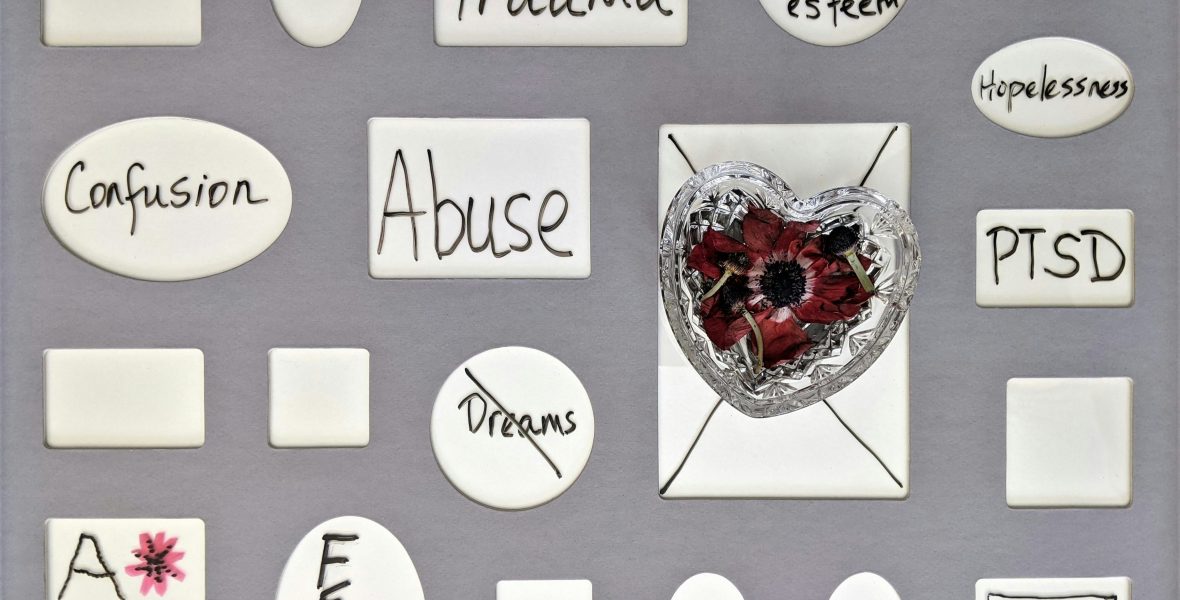
Your trauma is real. I believe you. I’m not here to rank suffering or tell you that what happened to you didn’t happen, or that it wasn’t hard, or that you should just get over it. That’s not what this is.
This is something else.
This is me — a woman who has survived enough to fill a very long book — looking at a generation of young people and feeling something that I can only describe as heartbreak mixed with frustration mixed with please, for the love of God, listen to my advice before the real world teaches you the hard way.
Because here’s what nobody is telling you, but I sure will:
I mean that with love. I also mean it literally.
Your employer is not going to restructure their expectations around your attachment wounds. Your landlord doesn’t care that you have abandonment issues when the rent is due. Your friendships will not survive if the entire architecture of every relationship is built around managing your triggers. And the people who love you — the ones who actually, genuinely love you — will eventually get tired of walking on eggshells in a house they also live in.
This is not cruelty. This is just the world.
And somewhere along the way, an entire generation got the message that having been through something hard meant the world owed them softness in return. That surviving somehow qualified them for permanent accommodation. That their damage was so significant, so central, so defining — that other people’s job was to work around it indefinitely.
Here’s the thing about trauma — real trauma, the kind that rearranges you — it does become part of who you are. I won’t pretend otherwise. The things that happened to me are in me. They shaped how I love, fight, lead and most importantly how I write. I’m not telling you to excise yours.
I’m telling you it cannot be the headline.
Because when your trauma is the most interesting thing about you, you stop growing. You stop becoming. You plant a flag in the worst moment of your life and you build a whole personality on top of a wound that needs air to heal — not a monument.
You are not your childhood.
You are not the thing that was done to you.
You are what you do next.
I know what some of you are thinking. Easy for you to say. And yeah — I’ve heard that before. I’m also a woman who was given away at birth, grew up navigating the particular chaos of a pastor’s household, got married more times than I care to explain before I figured out what love actually looked like, and built a career entirely on refusing to let any of it be the reason I couldn’t.
I’m not trauma-free. I’m trauma-functional. And there’s a difference.
Functional means you did the work — the actual work, not just the talking about the work — and then you picked yourself up and decided to be someone whose story doesn’t end at the worst chapter.
But here’s where I want to land, because this isn’t me scolding you like a toddler.
To the young person who is somewhere in the middle of figuring this out — who maybe read the first half of this and felt called out and kept reading anyway — this part is for you.
Not because the hard thing didn’t happen. It did. Not because the pain wasn’t real. It was. But because you are more than it. Because there is a version of you on the other side of this that is so much more interesting than the version defined by what you survived. Because the people who have been through the fire and came out holding something — wisdom, humor, depth, grit, the ability to sit with someone else in their darkest moment because you know what dark looks like — those are the most compelling humans alive.
That’s who you’re becoming.
That’s who I’m rooting for.
Keep going.
— Moe